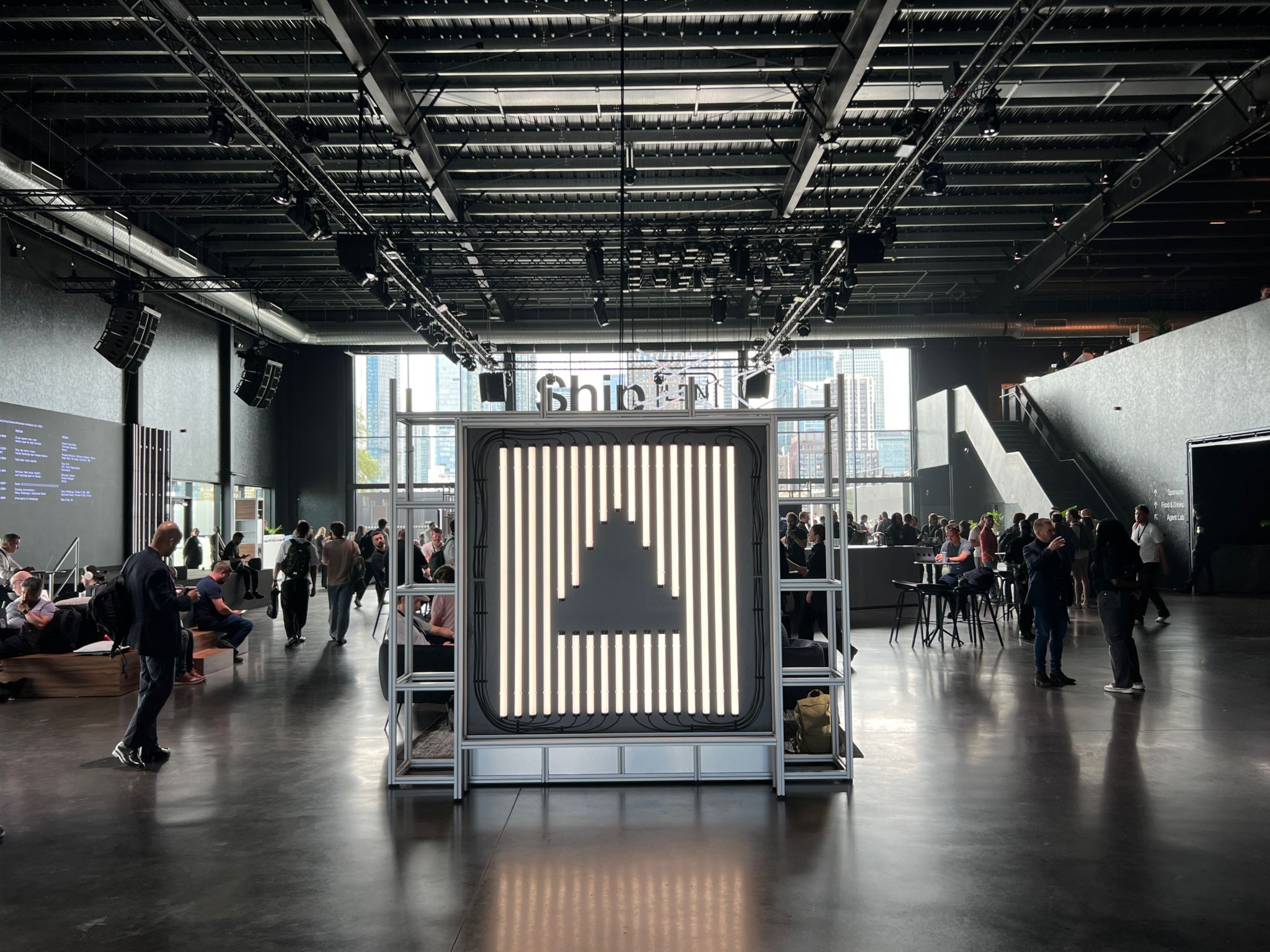
Vercel launched Eve at the Ship conference in London in June, and I was in the audience. Since then I have also run Eve agents in production at work. This post covers both views:
- What Eve is and what the launch claimed
- What running it looks like from inside a real team
- The inside-Vercel versus outside-Vercel split that decides whether it fits you
The launch pitch
Eve is Vercel’s open-source framework for building, deploying, and operating AI agents, and its one big idea is that an agent is a directory: instructions, tools, and subagents laid out as files you can read at a glance. Integrations for Slack, Discord, Teams, Telegram, Twilio, GitHub, and Linear ship in the box.
The credibility argument at launch was internal usage. Vercel reported over 100 agents running in production internally, including d0, a data analyst handling more than 30,000 questions a month, and Vertex, a support engineer they say resolves 92% of its tickets on its own. Those are Vercel’s numbers, not mine, but they were the difference between “framework announcement” and “here is what we run the company on”.
Running it for real
At work we have run Eve agents for support-ticket triage and quality checking. Two observations from that experience.
The directory format is the part that holds up. Non-framework people can open an agent’s folder, read the instructions file, and propose a change in plain English. Review of agent behaviour becomes a normal pull request. That property is why I lifted the layout for ai-coworkers and extended it into full role documents.
The operational story is where the platform shows through. The durable runtime, the sandboxed compute, and the AI Gateway routing are Vercel’s hosted services, as critics noted at launch: the framework is open source, the thing that keeps your agent alive is not. When it runs, that is a feature, someone else carries the pager. But you cannot lift the fleet onto your own box, and Eve is TypeScript-only, which rules out Python teams entirely.
Inside versus outside
So the honest framing is the deployment boundary. Inside Vercel’s platform, Eve is the most complete agents-in-production story I have used: definition format, channel integrations, durability, and observability in one move. Outside it, you keep the directory convention and the SDK but lose the runtime, which is most of the operational value.
That split is fine as long as you price it in. The directory idea, though, deserves to outlive any one host, and other tools already read agent definitions off the filesystem the same way.